


Why Are Trees Struggling in New Neighborhoods in Calgary?


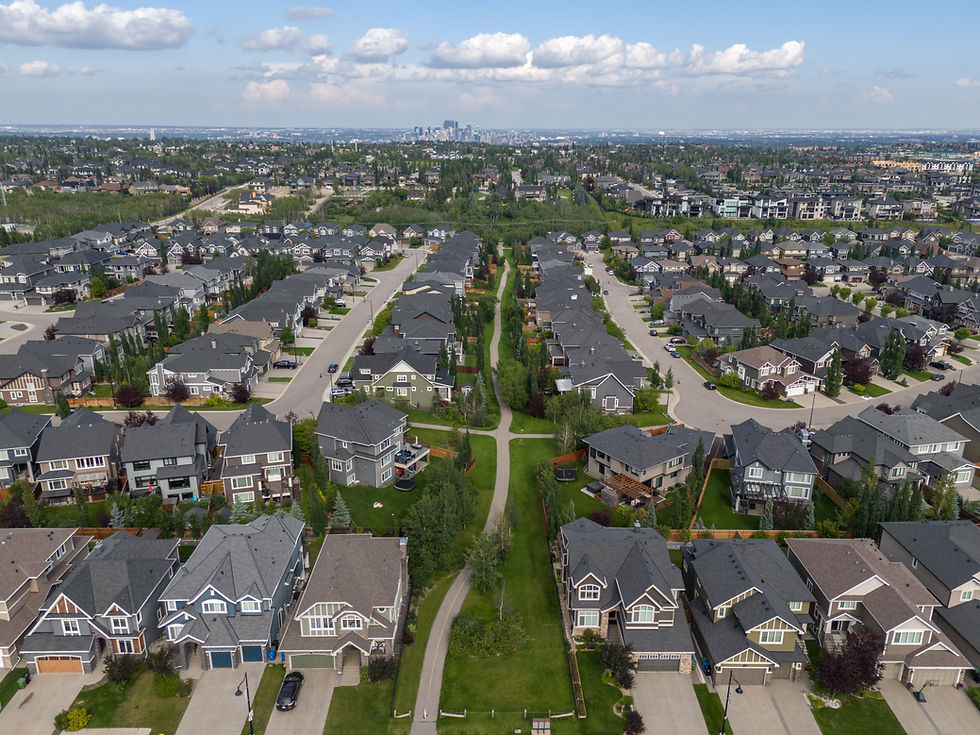
New neighbourhoods in Calgary often look polished on the surface, fresh sidewalks, modern homes, and newly planted trees lining the streets. But within just a few years, many of those trees begin to show signs of stress. Sparse canopies, slow growth, early dieback, or complete failure are far more common than homeowners expect.
These issues aren’t caused by neglect or bad intentions. They’re the result of how modern neighbourhoods are built, combined with Calgary’s already demanding climate.
Understanding what’s working against these trees is the first step toward helping them survive, and that’s where Evergreen LTD helps homeowners make sense of what they’re seeing.
Construction Leaves Behind Challenging Soil Conditions
One of the biggest reasons trees struggle in new communities is what’s happening underground. During construction, topsoil is often removed, buried, or mixed with heavy clay and debris. Heavy equipment then compacts what remains, squeezing out the air pockets roots need to breathe.
Many newly planted trees never receive the minimum soil depth required for healthy root development. Without enough high-quality soil, roots stay shallow and confined, limiting water and nutrient uptake and reducing stability as the tree matures.
Evergreen often finds that struggling trees aren’t failing because of pests or disease, but because their roots were never given the right environment to grow. A professional assessment can identify whether soil conditions are holding your trees back.
Young Trees Don’t Get Enough Water
Watering is critical during the first several years of a tree’s life, yet it’s one of the most common gaps in new neighbourhoods. In some areas, irrigation systems aren’t installed at all. In others, responsibility for watering is unclear, leaving trees under-watered during their most vulnerable stage.
Calgary’s semi-arid climate doesn’t provide enough natural rainfall to support young trees without supplemental watering. Add drought conditions or water restrictions, and many trees experience chronic moisture stress without obvious warning signs at first.
By the time growth slows or leaves thin out, the damage may already be underway.
Trees Are Planted With Too Little Space to Grow
In many new developments, trees are planted in narrow strips between sidewalks and roads, surrounded by pavement, utilities, and compacted soil. While these spaces may meet minimum requirements on paper, they rarely allow roots to expand naturally.
Restricted root zones limit access to water and nutrients, increase drought stress, and shorten a tree’s lifespan. Trees planted in these conditions often grow slowly, struggle during heat waves, and become more susceptible to disease.
This isn’t a short-term issue, it’s a design challenge that affects trees for their entire lives.
Species Selection Doesn’t Always Match Calgary’s Reality
Another major factor is tree species selection. While Calgary promotes the use of hardy, climate-appropriate trees, developers sometimes choose species for appearance rather than resilience.
Trees that aren’t suited to Calgary’s cold winters, dry summers, or alkaline soils often struggle from the start. Even with good care, they may never thrive in these conditions.
Choosing the right species is one of the most effective ways to prevent long-term problems, but once a tree is planted, correcting that mistake becomes difficult.
Maintenance Gaps in Early Years Matter More Than People Realize
Trees don’t become self-sufficient overnight. The first five years after planting are critical, yet many trees in new neighbourhoods receive little follow-up care once homes are occupied.
Without proper mulching, structural pruning, and monitoring, small issues can turn into long-term stress. Many homeowners also assume boulevard trees are maintained by the City, leading to missed care during key growth periods.
Calgary’s Climate Adds Pressure to Already Stressed Trees
Even under ideal conditions, Calgary is a tough place for trees. Chinooks, freeze-thaw cycles, summer heat waves, drying winds, and de-icing salts all add stress, especially to young trees with limited root systems.
Urban heat island effects in dense neighbourhoods further dry out soil and increase water demand. Trees that are already struggling due to soil or space limitations are far less able to cope with these extremes.
Evergreen’s Role: Helping Trees Succeed Where Conditions Are Tough
Trees in new Calgary neighbourhoods don’t fail for a single reason. They struggle because multiple challenges stack up, often invisibly, over time.
Evergreen LTD helps homeowners cut through the confusion with professional assessments, practical recommendations, and long-term care strategies tailored to Calgary’s realities. Whether a tree needs soil improvement, watering adjustments, corrective pruning, or honest advice about its long-term outlook, guidance makes the difference.
As Calgary continues to grow, protecting urban trees isn’t only about appearance, it’s about creating healthier, more resilient neighbourhoods.
If your trees are struggling in a new community, Evergreen is here to help you understand why, and what to do next.
Comments