


What Should a Community Tree Maintenance Plan Include in Calgary?

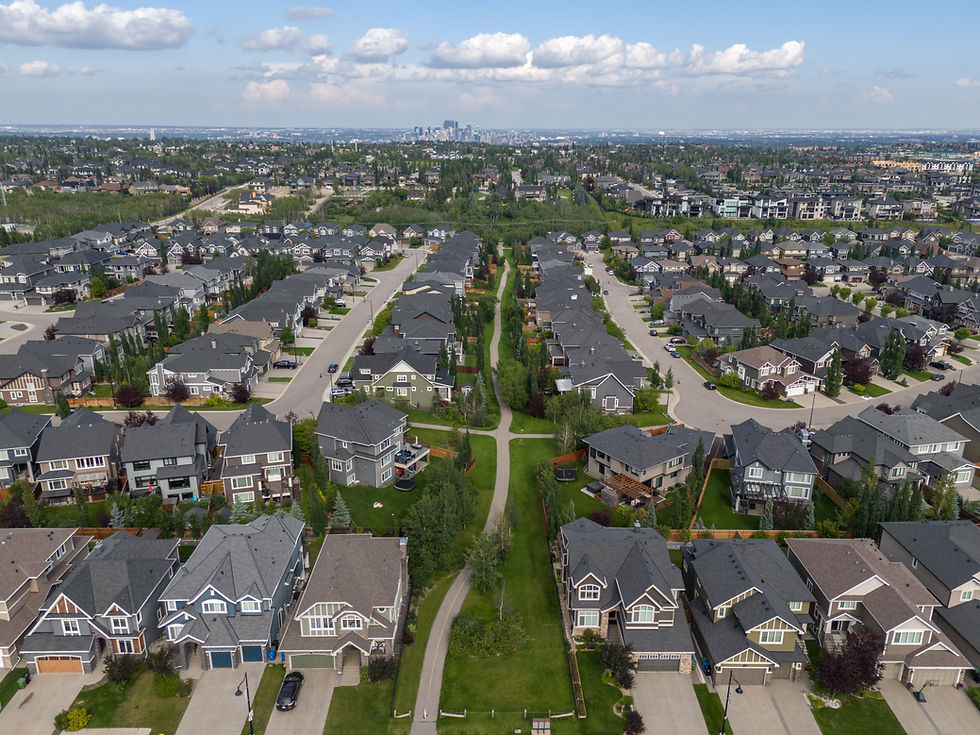
Managing trees across an entire community is very different from caring for a few trees on a residential property.
There may be hundreds of trees spread across entrances, pathways, green spaces, boulevards and shared landscaping. Different species may require different care, some trees may be reaching maturity, and new problems can develop after storms, construction or changes to the surrounding landscape.
Without a clear maintenance plan, tree care can quickly become reactive. A branch fails, a resident reports a concern or a declining tree suddenly needs attention.
A community tree maintenance plan creates a more organized approach.
For Calgary community associations, condominium boards, HOAs and property managers, that plan should include an accurate tree inventory, regular inspections, appropriate pruning, health monitoring, replacement planning and consistent records.
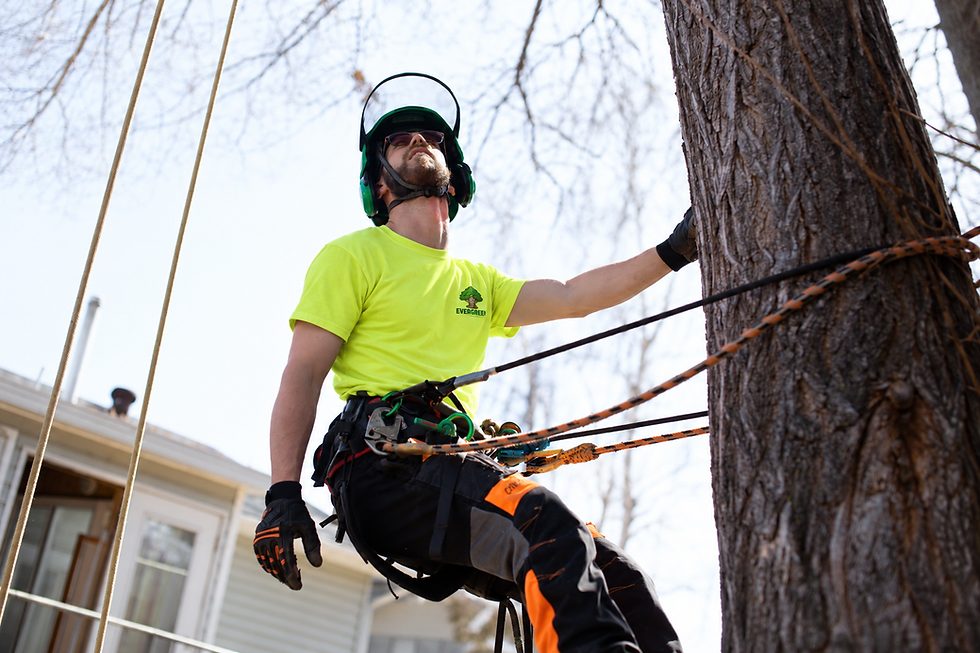
Evergreen LTD's ISA Certified Arborists can help communities assess their trees and develop practical priorities for ongoing care.
Start With a Tree Inventory
Before planning maintenance, you need to know what you are managing.
A tree inventory creates a record of the trees throughout the community, including their location, species, approximate size, condition and surrounding site conditions.
It should also identify who owns each tree.
This is particularly important in Calgary because trees located on City property are subject to municipal requirements. Community-managed trees and City-owned trees may sit close together, but that does not mean the same organization has authority to prune, remove or otherwise alter them.
Knowing ownership before scheduling work can prevent confusion later.
An inventory can also reveal larger patterns. For example, a community may discover that a large percentage of its trees are the same species or similar age. That information can influence future planting decisions and help reduce the risk of widespread losses from pests, disease or aging.
Unsure where to begin? Evergreen LTD can assess community trees and help identify which areas should receive attention first.
Schedule Regular Tree Inspections
Tree inspections should be planned rather than performed only after residents notice a problem.
During an inspection, trees can be checked for dead or broken branches, cracks, cavities, decay, root damage, unusual leaning, thinning crowns and other signs of decline.
Additional inspections may also be appropriate following severe storms, nearby construction or noticeable changes in tree condition.
The level of risk matters too. A declining tree in a low-traffic area presents a different concern than a damaged tree beside a playground, sidewalk, roadway or building.
Qualified arborists can assess the tree, surrounding targets and potential consequences before recommending the appropriate next step.
If your community has mature, damaged or declining trees near shared spaces, Evergreen LTD's ISA Certified Arborists can provide a professional assessment and recommend appropriate care.
Create a Practical Pruning Schedule
Community pruning should always have a clear purpose.
That may include removing dead or damaged branches, improving young tree structure, maintaining necessary clearance or addressing a specific safety concern.
Routine maintenance should avoid excessive pruning and topping, which can damage tree structure and create additional problems over time.
Calgary communities also need to account for seasonal requirements. Elm trees, for example, cannot be pruned in Alberta between April 1 and September 30 as part of Dutch elm disease prevention measures.
Building these restrictions into the maintenance calendar makes it easier to plan tree work before urgent situations arise.
Planning seasonal tree maintenance? Evergreen LTD provides professional tree pruning based on tree condition, structure and the needs of the surrounding property.
Monitor Changes Between Inspections
Formal inspections provide important checkpoints, but tree health should also be monitored throughout the year.
Property managers and maintenance teams can watch for changes such as thinning foliage, unusual leaf colour, branch dieback, trunk damage, insect activity, fungal growth or disturbed soil around the roots.
Construction and landscaping work should also be monitored carefully. Grading, excavation, irrigation changes and heavy equipment can affect tree roots even when the damage is not immediately visible.
Keeping photographs and notes makes it easier to compare tree condition from one year to the next and identify gradual decline.
Plan for Tree Replacement
Even with good maintenance, trees eventually decline or need to be removed.
A strong community tree plan anticipates those losses instead of waiting for large gaps to appear.
Replacement planning should consider available growing space, soil conditions, water, nearby infrastructure and the mature size of the tree.
Species diversity is also important. Planting a mix of appropriate species and age groups can help prevent a situation where a large portion of the community's trees decline at the same time.
Need to replace declining or removed trees? Evergreen LTD can help communities select and plant trees suited to the site and long-term landscape plan.
Keep Clear Tree Care Records
Every inspection and maintenance action should be documented.
Records can include the tree location, species, inspection date, condition, recommended work, completed work, photos and the next review date.
This becomes especially valuable when board members, property managers or contractors change. Instead of starting from scratch, the next person responsible for the landscape has a history of what has been inspected, completed and scheduled.
Build a Long-Term Plan for Your Community Trees
A community tree maintenance plan should function as an ongoing management system.
With an accurate inventory, scheduled inspections, appropriate pruning, health monitoring, replacement planning and reliable records, communities can make informed decisions before tree problems become urgent.
If you are responsible for trees throughout a community, contact Evergreen LTD to schedule a consultation with our ISA Certified Arborists and start building a practical plan for their long-term care.

Comments