


How Do I Maintain the Tree Windbreak on My Acreage?

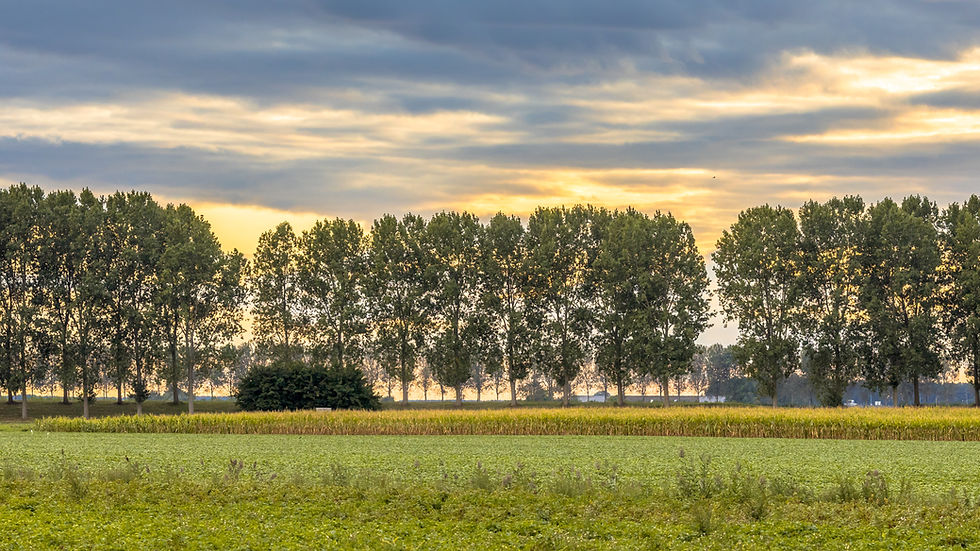
A well-established tree windbreak can provide years of protection for an acreage, helping reduce wind exposure around the home, yard and other areas of the property.
But a windbreak still needs ongoing care.
As trees mature, they are exposed to drought, strong winds, heavy snow, pests, disease, competition and normal aging. Over time, dead trees, broken branches and growing gaps can weaken the structure of the windbreak and reduce how effectively it protects the property.
For acreage owners throughout the Calgary area and Foothills County, regular maintenance can help extend the life of an established windbreak and identify problems before larger sections begin declining.
Evergreen LTD's ISA Certified Arborists can assess windbreak trees, identify areas of concern and help determine which trees need maintenance, replacement or closer monitoring.
Inspect the Entire Windbreak Regularly
A good maintenance routine begins by walking the full length of the windbreak.
Look for dead or declining trees, broken branches, leaning trunks, thinning foliage, discoloured needles or leaves, wounds and signs of insects or disease.
It is especially useful to inspect the trees after strong winds, heavy snowfall or severe weather.
Try to look at the windbreak as one system rather than focusing only on individual trees. A single declining tree may have limited impact, but several missing trees in one section can create a larger opening.
Those gaps can gradually reduce the windbreak's ability to slow wind across the property.
Taking photos from the same locations each year can also help you notice changes that may otherwise happen too slowly to recognize.
Seeing dead trees, thinning sections or new gaps in your windbreak? Evergreen LTD can assess the condition of the trees and help identify what should be addressed first.
Prune With the Windbreak's Purpose in Mind
Pruning can help improve tree health and reduce safety concerns, but windbreak trees should not be treated like ornamental hedges.
Dead, damaged or diseased branches may need to be removed, while younger trees can sometimes benefit from structural pruning that encourages stronger growth.
The goal is to maintain healthy trees without unnecessarily removing the foliage that helps create the windbreak.
Lower branches can be especially valuable because they reduce openings closer to the ground. Removing too much live growth can make the row thinner and less effective.
Topping should also be avoided. Cutting major branches or leaders back to stubs can create additional stress and poor future structure.
Large trees, heavy branches and trees close to buildings, roads or utilities should be evaluated by a qualified arborist before pruning begins.
Need help pruning mature or damaged windbreak trees? Evergreen LTD’s ISA Certified Arborists can assess the row and recommend appropriate pruning.
Make Sure the Trees Are Getting Enough Water
Water needs can vary considerably across an acreage.
Young replacement trees usually require more attention while their roots become established, while mature trees may need supplemental watering during prolonged dry periods.
The goal is to get moisture into the active root zone rather than repeatedly wetting only the surface.
At the same time, constantly saturated soil can damage roots. Checking the soil before watering can give you a better idea of what the trees actually need.
Grass and weeds can also compete with younger windbreak trees for available water and nutrients. Keeping competing vegetation under control around new trees can give them a stronger opportunity to establish.
Watch for Patterns Across the Row
Changes across the windbreak can tell you a lot.
Are several trees of the same species declining? Are gaps appearing in one particular section? Is lower foliage disappearing? Are some trees experiencing repeated storm damage?
Patterns like these may indicate a larger issue affecting the site rather than an isolated tree problem.
It is also worth considering changes elsewhere on the acreage.
New buildings, roads, livestock areas, grading, drainage changes or nearby vegetation removal can change wind exposure and growing conditions.
The question is therefore not only whether the trees are healthy. It is also whether the windbreak is still doing the job it was originally planted to do.
Noticing a pattern of decline across your windbreak? Evergreen LTD can assess the affected trees and growing conditions to help determine what may be causing it.
Replace Trees Before Large Gaps Develop
Windbreaks eventually age, and some trees will need to be replaced.
Planning those replacements early is usually easier than waiting until an entire section has failed.
Small gaps may be addressed by replacing individual trees. Older windbreaks with widespread decline may require gradual renovation across sections of the row.
Replacing trees in stages can allow new plantings time to establish while the remaining mature trees continue providing protection.
Species selection also matters. New trees should be suited to the property's soil, available moisture, exposure and the long-term purpose of the windbreak.
Planning to replace missing or declining trees? Evergreen LTD can help select and plant trees suited to your acreage conditions.
Keep Your Windbreak Working for the Property
Good windbreak maintenance is largely preventative.
Regular inspections, appropriate pruning, proper watering and early replacement planning can help preserve the health and structure of the row for years to come.
Evergreen LTD works with acreage owners throughout the Calgary area and Foothills County to assess windbreaks, identify declining or hazardous trees and create a practical plan for ongoing care.
If your acreage windbreak is thinning, aging or developing gaps, book a consultation with Evergreen LTD. Our ISA Certified Arborists can help you understand what the trees need now and how to protect the windbreak for the years ahead.

Comments