


Why Is My Elm Tree Dripping Sticky Sap? (And What You Can Do About It)


If you've walked outside to find sticky leaves, a patio covered in residue, or your vehicle parked beneath an elm tree coated in a sugary film, it's easy to assume your tree is leaking sap. In reality, that's rarely the case.
Most of the time, the sticky substance isn't sap at all. It's honeydew, a sugary liquid produced by insects feeding on your tree. While it can be frustrating to deal with, it also serves as an early warning sign that your elm tree may need attention.
At Evergreen LTD, one of the most common questions we hear from Calgary and Foothills homeowners is, "Why is my elm tree dripping sap?" Understanding the cause is the first step toward protecting your tree and preventing a small issue from becoming a larger one.
The Sticky Substance Usually Isn't Sap
Honeydew is produced by sap-feeding insects, most commonly aphids and soft scale insects. These insects feed on the tree's vascular system, extracting nutrients from the sap. Because they consume more sugar than they need, they excrete the excess as a sticky liquid that coats leaves, branches, vehicles, patios, decks, and anything beneath the tree's canopy.
The honeydew itself typically doesn't damage the tree, but it often creates another problem. Over time, a black fungus known as sooty mold can begin growing on the sticky residue. While this fungus doesn't infect the tree itself, heavy buildup can reduce the amount of sunlight reaching the leaves, making it harder for the tree to photosynthesize efficiently.
If you've noticed sticky surfaces beneath your elm tree, it's worth having the tree inspected before the infestation grows.
Not sure what's causing the mess? Evergreen LTD can identify the problem and recommend the most effective solution before unnecessary treatments are applied.
Aphids Are the Most Common Culprit
Aphids are tiny, soft-bodied insects that gather on the undersides of elm leaves throughout the growing season. Because they reproduce quickly, populations can increase dramatically in a short period of time.
Common signs of an aphid infestation include:
Sticky honeydew on leaves and surfaces below the tree
Curled or distorted leaves
Increased ant activity, as ants feed on honeydew
Black sooty mold developing on leaves, branches, or nearby objects
The good news is that healthy, mature elm trees can often tolerate moderate aphid populations without experiencing significant long-term damage. Nature also provides some help. Beneficial insects like lady beetles, lacewings, and parasitic wasps naturally feed on aphids and often help keep populations under control.
Scale Insects Can Be Harder to Spot
Soft scale insects create many of the same symptoms as aphids but are much more difficult to identify.
Unlike aphids, adult scale insects attach themselves to twigs and branches, appearing as small bumps that blend into the bark. Many homeowners don't realize scale insects are present until honeydew begins covering everything beneath the tree.
Over time, large infestations can weaken an already stressed tree by continually removing plant fluids. Trees dealing with drought, environmental stress, or other health concerns are often more vulnerable to damage.
Because scale insects are difficult to identify and treat at the correct stage of their life cycle, professional diagnosis is often the best approach.
Could It Actually Be Tree Sap?
Although homeowners often describe the problem as sap dripping from their elm tree, true sap leakage is much less common.
If sap is flowing directly from the trunk or large branches rather than appearing on leaves and objects beneath the canopy, the cause may be something entirely different.
Sap can leak from wounds caused by:
Storm damage
Lawn equipment injuries
Improper pruning cuts
Certain diseases
Wood-boring insects
These situations require a different treatment plan than an insect infestation. Identifying the source of the leak is essential before deciding how to move forward.
What You Can Do Yourself
If the infestation is relatively light, there are a few practical steps homeowners can take.
Start by inspecting the undersides of leaves and smaller branches for insects. If aphids are present, they are often visible with the naked eye. Scale insects may require a closer look along twigs and branches.
You can also:
Wash honeydew from outdoor furniture, vehicles, patios, and sidewalks using water and mild soap.
Spray smaller trees with a strong stream of water to help remove aphids where practical.
Encourage beneficial insects by avoiding unnecessary broad-spectrum insecticides.
Keep your elm tree healthy with consistent watering during dry periods and by avoiding unnecessary root or bark damage.
One of the biggest mistakes homeowners make is applying pesticides before identifying the actual pest. Different insects require different treatment strategies, and improper applications can unintentionally harm pollinators and beneficial insects while doing little to solve the underlying problem.
When It's Time to Call an Arborist
Some situations require more than a quick inspection from the ground.
If your elm tree has recurring infestations, extensive branch dieback, sap leaking directly from the trunk, or large damaged limbs, it's time to have it professionally evaluated.
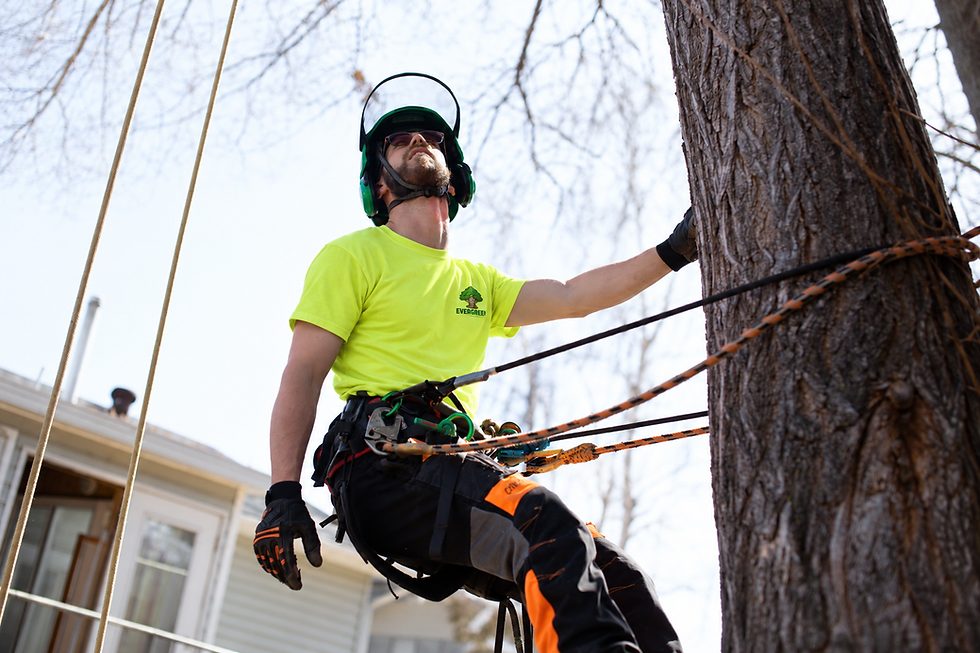
At Evergreen LTD, our ISA Certified Arborists assess the overall health of the tree rather than simply treating the visible symptoms. We identify whether the issue is caused by aphids, scale insects, disease, physical injury, or another underlying problem before recommending a solution.
Depending on the diagnosis, that may include monitoring, improving overall tree health, integrated pest management strategies, or targeted treatments when appropriate.
Protect Your Elm Tree Before the Problem Gets Worse
A sticky elm tree can certainly be frustrating, but in many cases it's also manageable once the real cause has been identified.
Whether you're dealing with honeydew from insects or true sap leakage caused by injury or disease, addressing the problem early gives your tree the best chance to remain healthy for years to come.
If your elm tree is dripping sticky residue, showing signs of decline, or you're simply unsure what's happening, the team at Evergreen LTD is here to help. Our ISA Certified Arborists provide professional tree inspections throughout Calgary and the Foothills, giving homeowners clear answers and practical recommendations tailored to their property.
Comments