


How to Protect Acreage Trees From Calgary Wind and Drought?


Acreage trees around Calgary work hard. They stand against strong prairie winds, dry air, Chinooks, variable snow cover, and summer drought. Unlike trees in sheltered city lots, acreage trees are often exposed from every direction. That means they lose moisture faster, take more wind stress, and need a smarter care plan than occasional watering.
If your trees are thinning, browning, leaning, dropping branches, or struggling after dry seasons, the issue may not be one single problem. It is often wind, drought, soil stress, and root damage working together. Evergreen LTD helps Calgary-area acreage owners assess these risks and build practical tree care plans that protect the property long term. Contact Evergreen LTD to schedule an acreage tree assessment before small stress signs turn into tree failure.
Why Calgary Acreage Trees Struggle
Calgary’s climate can be tough on trees. Wind dries out soil and pulls moisture from foliage, buds, bark, and branches. Drought limits root function. Winter Chinooks can create freeze-thaw stress. On acreages, open exposure makes all of this worse.
Common stress factors include:
Strong winds that dry trees and damage branches
Low snow cover that leaves roots without winter moisture
Dry summer soil that limits root uptake
Clay or compacted soil that restricts oxygen and drainage
Construction, trenching, or vehicle traffic over root zones
Poor species selection for exposed Alberta sites
The research points to a combined strategy: reduce wind speed, conserve soil moisture, protect roots, and choose hardy trees suited to Calgary conditions.
Evergreen LTD can help identify which stressors are affecting your trees and recommend the right next step. Call us before guessing, because the wrong fix can add stress instead of solving the problem.
Use Shelterbelts to Reduce Wind Stress
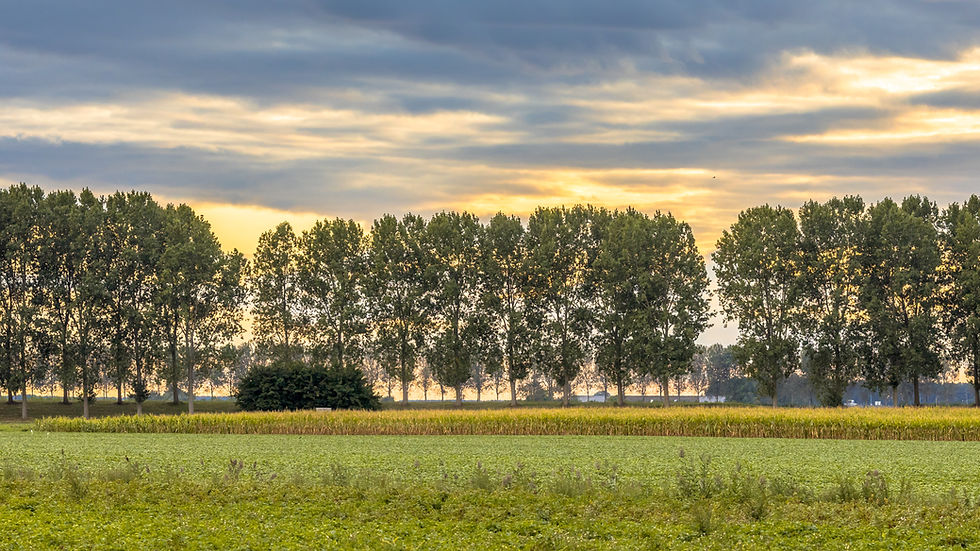
A shelterbelt is a planned row or group of trees and shrubs that reduces wind speed across a property. For Calgary acreages, shelterbelts can protect yards, driveways, gardens, livestock areas, buildings, and younger trees.
A good shelterbelt does not work like a solid wall. Solid barriers can create turbulence and increase damage on the downwind side. A healthy windbreak slows wind gradually.
Effective shelterbelts often include:
Tall conifers or deciduous trees for height
Medium trees or large shrubs for density
Lower shrubs on the windward side
Mixed species to reduce pest and disease risk
Proper spacing to prevent crowding and weak growth
Layered plantings help close vertical and horizontal gaps. Those gaps matter because wind can funnel through them, drying soil and stressing trees. A mature shelterbelt can improve conditions over a broad downwind area, making it one of the strongest long-term investments for acreage tree protection.
Evergreen LTD can assess your site, wind exposure, existing trees, and planting goals. Contact us before installing a shelterbelt so it is placed, spaced, and planned correctly from the start.
Mulch to Protect Soil Moisture
Mulch is one of the simplest ways to help trees survive drought. It protects the root zone, reduces evaporation, moderates soil temperature, and limits weed competition.
The key is applying it correctly. Mulch should be placed in a wide, shallow ring around the tree, shaped like a donut. Keep mulch away from the trunk. Piling mulch against bark traps moisture and can lead to decay, disease, and pest problems.
Good mulching practices include:
Keep mulch shallow, not piled high
Leave open space around the trunk
Extend mulch toward the dripline where possible
Refresh as it breaks down
Avoid landscape fabric that restricts soil health
If you are not sure how much mulch your trees need, Evergreen LTD can help. Mulch is helpful when done right, but poor application can damage the same trees you are trying to protect.
Water Deeply, Not Lightly
Acreage trees need water to reach the active root zone. Light surface watering often encourages shallow roots and does little during drought. Deep, slow watering helps moisture move into the soil where roots can use it.
During dry periods, focus on:
Newly planted trees
Recently transplanted trees
High-value shelterbelt trees
Trees showing early drought stress
Trees in sandy or exposed soil
Water near the dripline rather than directly at the trunk. This encourages roots to grow outward and downward. Soil type matters too. Sandy soils drain quickly and may need more frequent watering. Clay soils hold water longer but can become compacted and poorly aerated.
Evergreen LTD can evaluate soil conditions and tree stress before recommending a watering plan. Contact us if your trees are browning, dropping leaves early, or failing to recover after drought.
Protect Trees From Winter Drought
Winter drought is a real issue in Calgary. Trees may be dormant, but dry winds and freeze-thaw patterns can still pull moisture from branches and buds. Young trees and evergreens are especially vulnerable.
Practical winter protection can include:
Mulching before freeze-up
Snow fencing to trap snow near young trees
Temporary wind barriers in exposed areas
Avoiding salt near tree roots
Preventing soil cracking and root exposure
Reducing unnecessary pruning before winter
Snow capture is especially useful on acreages. Snow fencing placed upwind of young trees can reduce direct wind exposure and collect snow that melts into the root zone in spring.
Evergreen LTD can help set up a winter tree protection strategy that fits your property. Call us before winter damage shows up as spring browning, dieback, or branch loss.
Choose Trees That Can Handle Calgary Conditions
Species selection makes a major difference. A tree that performs well in a protected urban yard may struggle on an open acreage. Exposed sites need hardy, drought-tolerant species with the right mature size and maintenance needs.
Common drought-tolerant options for Calgary-area properties may include:
Bur oak
White spruce
Northwest poplar
Manitoba maple
Amur maple
Each tree has tradeoffs. Bur oak is long-lived and drought tolerant but slow growing. White spruce offers year-round wind protection but needs proper spacing and airflow. Poplars can grow quickly but require planning because of size, structure, and root behaviour.
Evergreen LTD can help you choose trees that match your soil, exposure, space, and long-term goals. The right tree in the right place saves money, reduces removals, and builds a stronger landscape.
Protect the Root Zone
Roots are the foundation of tree health. Most absorbing roots are close to the surface, which makes them vulnerable to compaction, excavation, grade changes, paving, and drainage changes.
Avoid these common acreage mistakes:
Driving heavy equipment over root zones
Piling soil or gravel against trunks
Trenching near mature trees
Changing drainage without tree assessment
Storing materials under tree canopies
Cutting roots during fence or utility work
Root damage may not show immediately. A tree can decline years after construction or soil disturbance. Once roots are damaged, drought and wind stress become harder for the tree to survive.
Be Careful With Pruning During Drought
Pruning can improve safety and structure, but heavy pruning during drought can increase stress. Trees need their canopy to produce energy. Removing too much live growth can reduce recovery and make the tree more vulnerable.
During dry or windy periods, pruning should focus on:
Dead branches
Broken limbs
Hazardous branches
Clearance issues
Structural defects that create safety risks
Avoid unnecessary thinning, topping, or aggressive shaping. Topping is especially harmful because it weakens structure and encourages poor regrowth.
Evergreen LTD provides professional pruning based on tree biology, safety, and long-term health. Call us before cutting. We know how much to remove, when to prune, and when it is better to wait.
When to Call a Calgary Arborist
You should contact Evergreen LTD if you notice:
Browning needles or leaves
Early leaf drop
Cracked soil around roots
Dead branches in the canopy
Leaning or shifting trees
Wind damage after storms
Poor growth in shelterbelts
Newly planted trees struggling to establish
Construction planned near trees
Acreage tree care is not only about keeping trees alive. It is about protecting your property, reducing hazards, improving privacy, supporting wildlife, and building a landscape that can handle Calgary’s climate.
Evergreen LTD understands Calgary wind, drought, Chinooks, soil conditions, and the risks of doing tree work incorrectly. Our ISA-certified arborists assess tree health, site conditions, and safety concerns with the training needed to recommend the right solution. Contact Evergreen LTD today to schedule an acreage tree consultation. We will assess your trees, explain your options clearly, and handle the work safely.
Comments